
EPDM roofing in Miami, FL starts with knowing which membrane and roof assembly fit your property. Tropico Roofing & Construction LLC works with qualifying EPDM roofing projects in Miami and nearby Miami-Dade communities. EPDM is a flexible rubber roofing membrane used on some flat and low-slope roofs. Share your address, the building’s use, and what you want to change.
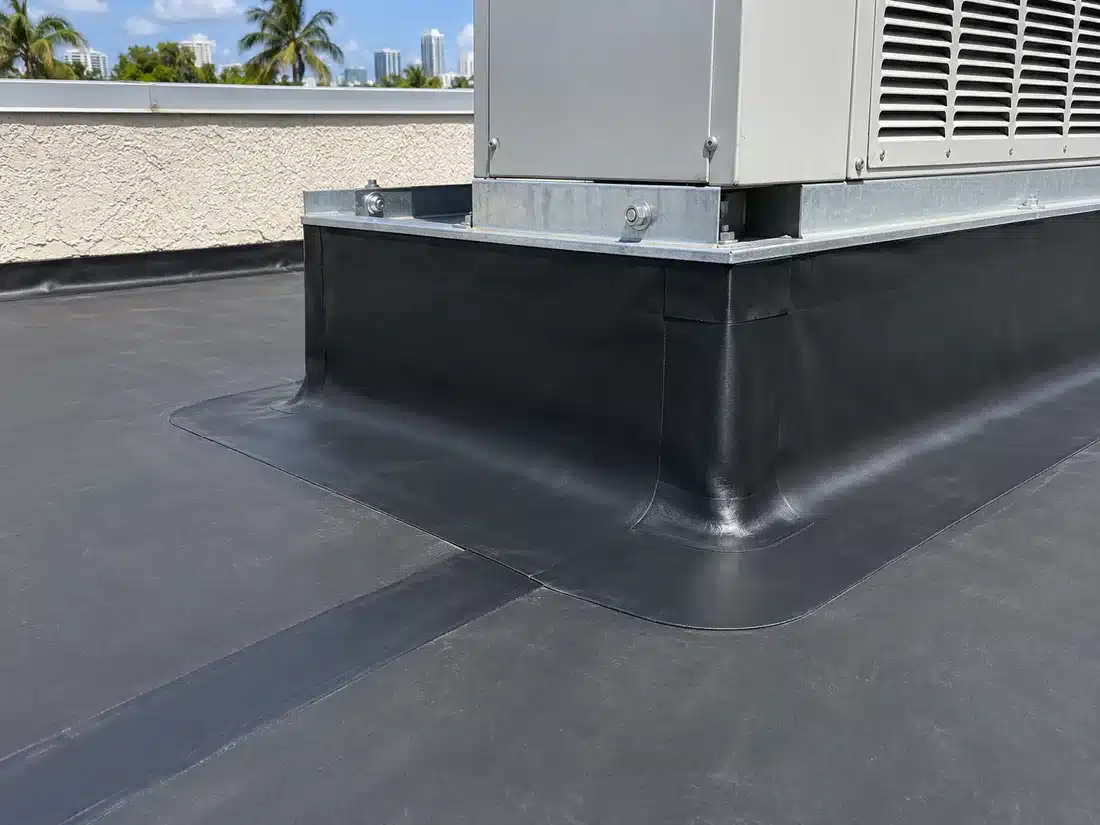
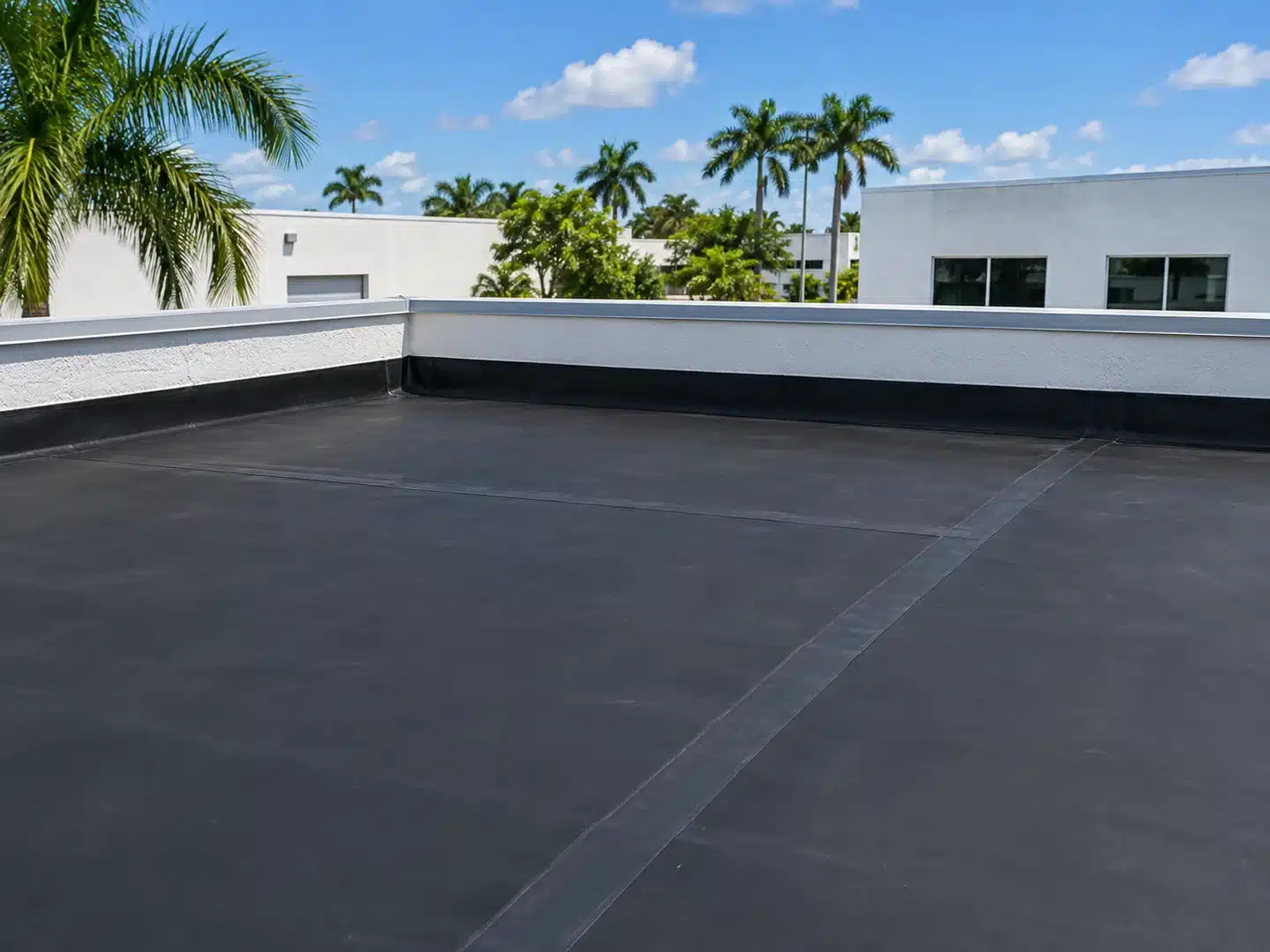
A dark roof surface may be EPDM, modified bitumen, or another material. A white surface can also be one of several roofing types. Color alone does not identify the system.
Look for an old invoice, product label, roof plan, or warranty document. These records may name the membrane and the company that made it. Photos can help with an initial discussion, but the roof may need an on-site review before a repair or new system is priced.
Tell us whether you want a new roof, replacement of an existing membrane, or help with a problem area. Each request calls for a different scope.
Miami’s warm, wet season brings frequent showers and thunderstorms. Ask how open roof areas will be protected if rain arrives and how moisture affects preparation. Show us any standing water after a storm. A blocked drain or low area may need work beyond the membrane. Tell us about AC service routes and any oil or chemical exposure before selecting a system.
EPDM comes in black and white product options. Color can affect how the roof surface handles sunlight and heat. Ask how the proposed color fits the cooling needs, insulation, and project requirements. Request the exact product name in the estimate.
The attachment must fit the deck and approved assembly. Ask which layers stay, which are added, and how the system is secured. Include insulation, any cover board, attachment, and edge details in the discussion.
EPDM sheets need sealed joints. Walls, drains, pipes, and equipment create transitions. Ask how these will be completed with materials made for the selected system. Include the field of the roof and its smaller details in the written scope.
Use the property’s exact address to find the office that handles its permits. A Miami mailing address may fall outside the City of Miami.
For property within city limits, the City of Miami permit search can show issued permits and inspection records. Look for the last roof permit, its scope, and any final inspection. For unincorporated Miami-Dade, start with the county building records service. Add any roof plans, invoices, and warranty papers you have.
Miami-Dade is in Florida’s High-Velocity Hurricane Zone, often called the HVHZ. Ask which current product approval covers the proposed roof system and its use on your building. Review the deck, attachment, insulation, and other listed components. A product approval for one assembly does not settle every EPDM design.
Identify the membrane when possible. Discuss roof use, leak history, access, drainage, and plans for new equipment.
Establish what can be seen and what needs further review. Damaged deck or wet roof layers can change the scope.
Review the membrane, assembly, joints, roof edges, and openings. Identify the permit documents needed for the project.
Agree on access, weather protection, required inspections, and records to keep. Ask for product and care information with the final paperwork.
Roof area, removal of old roofing, deck repairs, insulation, access, and roof openings affect the price. Two roofs of the same size can take different amounts of work. Ask whether permit fees, disposal, and drainage work are included. Ask how hidden damage will be documented and priced.
Ask what workmanship warranty applies to your EPDM project. Request the terms and eligibility requirements of any proposed manufacturer warranty. Check the duration, exclusions, care duties, and claim process. Ask how repairs by other trades, equipment work, or standing water affect coverage.
The roof deck, drainage, building use, and approved assembly need review first. EPDM may fit some projects. The product and system must be selected for the property.
White EPDM products are also available. Ask which options are available for your project and how each fits the proposed assembly and local requirements.
That needs a project review. Existing layers, moisture, surface condition, code requirements, and the selected system affect whether any material can stay.
Some damage may be repairable. Identify the membrane and use compatible materials. Wet layers or damage beyond the visible spot may call for more work.
They are different membrane materials with different products and installation details. Compare the full systems, including attachment, joints, and warranty terms.
Ask whether the scope changes the slope or drainage. Installing a membrane can leave the same low spots unless the plan addresses them.
Timing depends on roof size, preparation, access, inspections, and weather. Ask for a schedule after the scope is defined.
Send the address, building type, roof photos taken safely, and a short description of the work. Include old roof documents and known drainage problems when available.
Have an existing rubber roof in Doral, a low-slope addition in Westchester, or a roofing project near Kendall? Tell us what is on the building and what you want the new work to achieve. Tropico Roofing & Construction LLC can review your EPDM roofing request and help define the next step.