Flat roof installation in Miami, FL from Tropico Roofing & Construction LLC starts with water movement, roof use, and the right low-slope system for the property.
A flat roof is more than a membrane.
The deck, slope, drainage, flashing, roof edges, penetrations, insulation when needed, and finished roofing system all have to work together.
We install flat and low-slope roofing systems for qualifying homes and commercial properties throughout Miami and nearby Miami-Dade communities.
A flat roof is not truly flat.
It needs enough slope to direct water toward drains, scuppers, gutters, or other approved drainage points.
This is especially important in Miami.
Heavy rain can place a large amount of water on a low-slope roof in a short time.
Poor drainage may lead to:
Before choosing a roofing membrane, the installation plan should consider:
A good flat roof starts with where the water will go.
The exact roofing assembly depends on the property and approved system.
A flat roof installation may include:
Not every property needs every component.
The roof system should match the building.
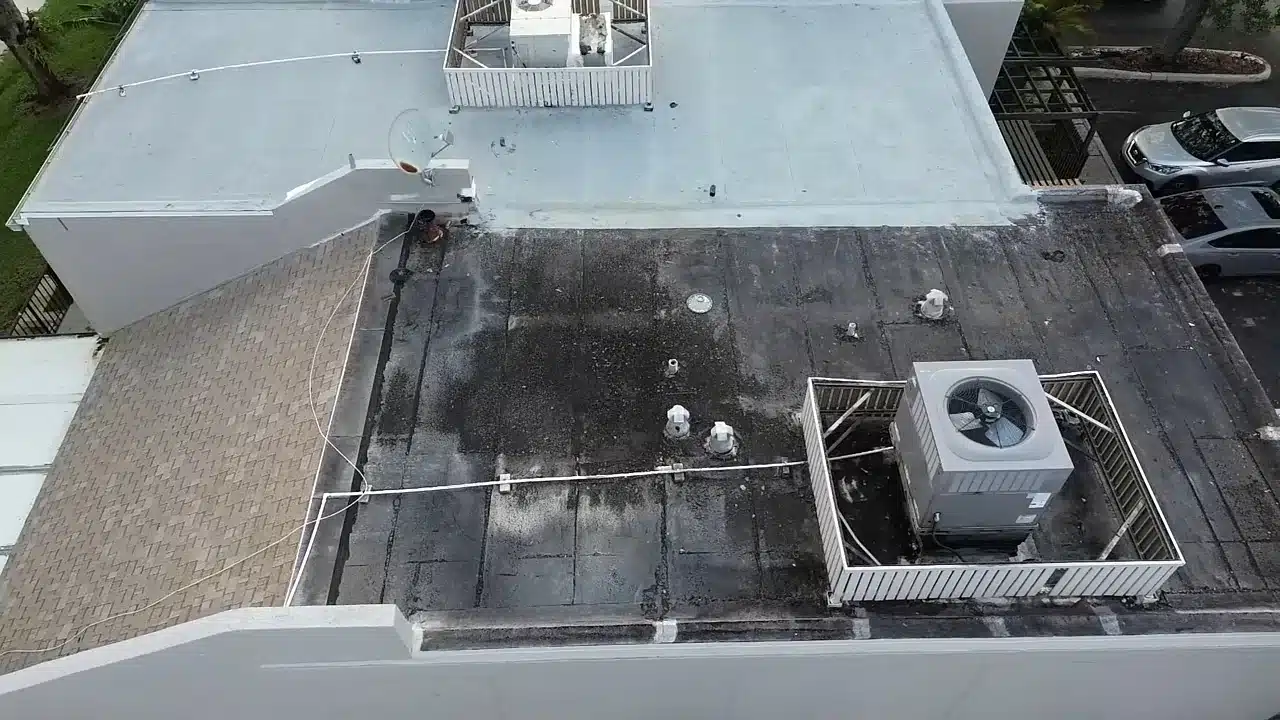
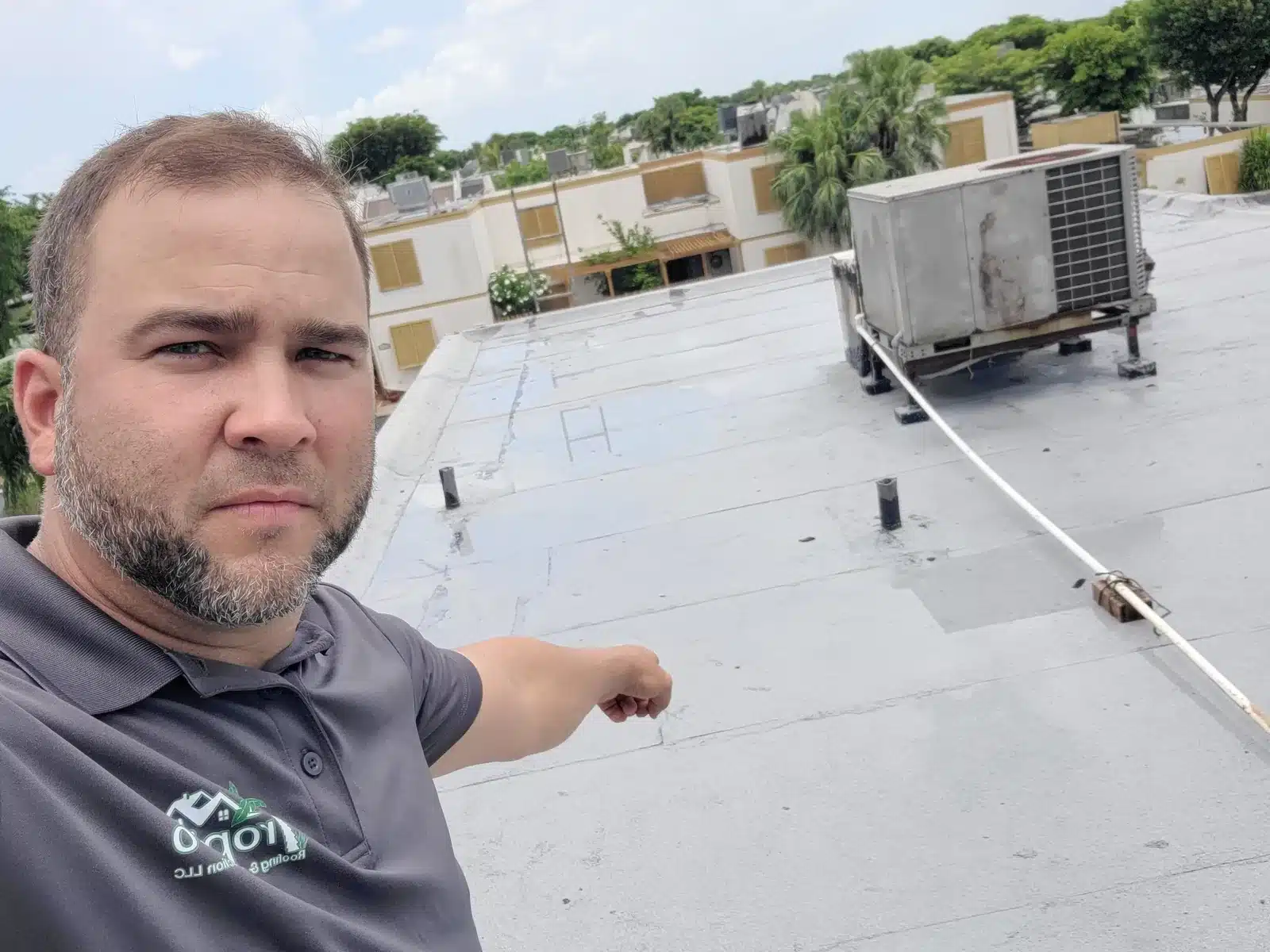
The roofing system depends on the surface underneath it.
Before a new flat roof is installed, the deck or substrate must match the approved roof assembly.
Depending on the building, the roof may involve:
Some conditions may not be visible until existing roofing materials are removed.
If damaged areas are found, they may need repair or replacement before the new roofing system continues.

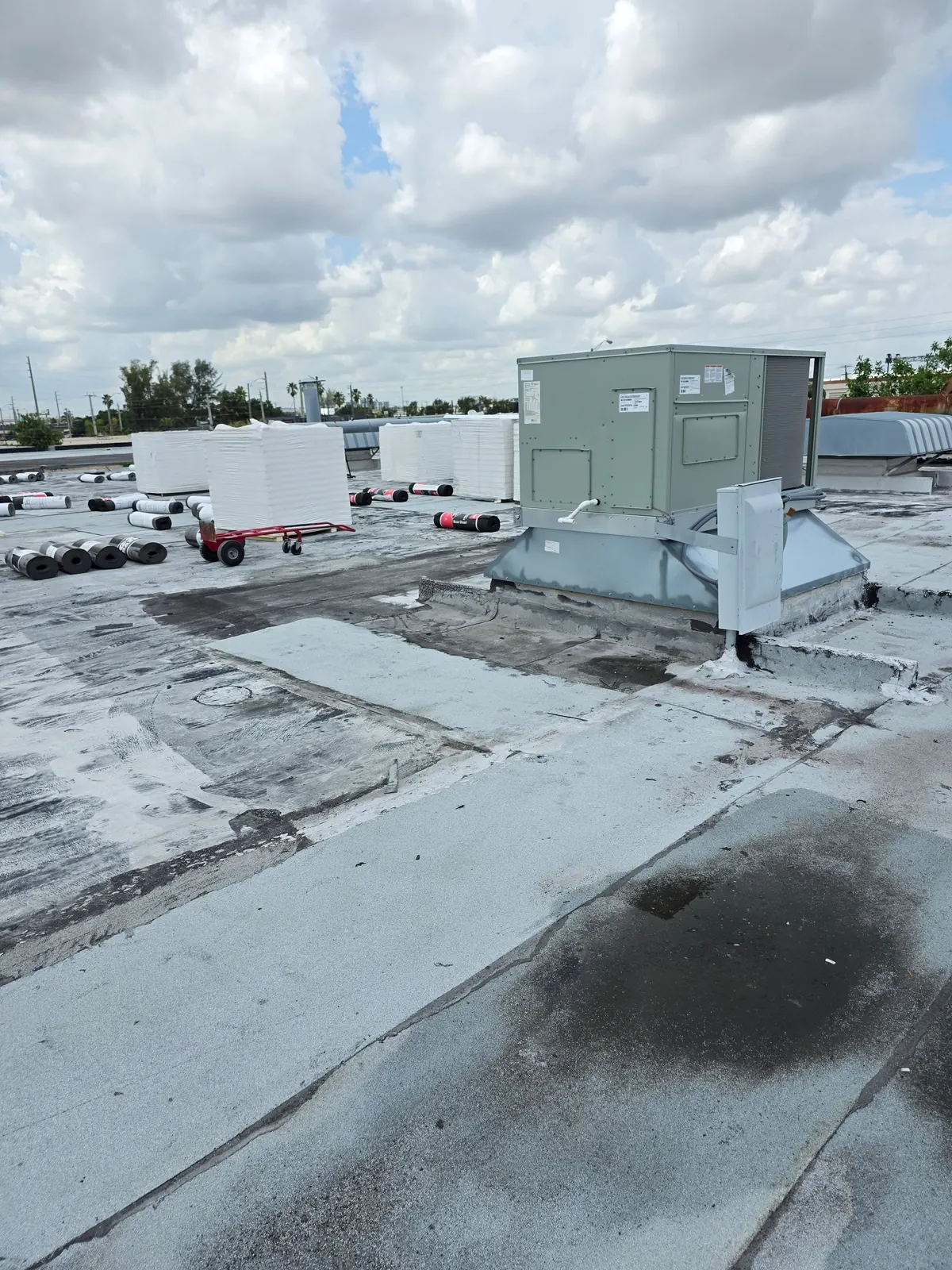
Some flat roofing systems use insulation as part of the roof assembly.
On qualifying projects, tapered insulation may also help direct water toward drains or scuppers.
The insulation plan can depend on:
The drainage plan should be clear before the membrane is installed.
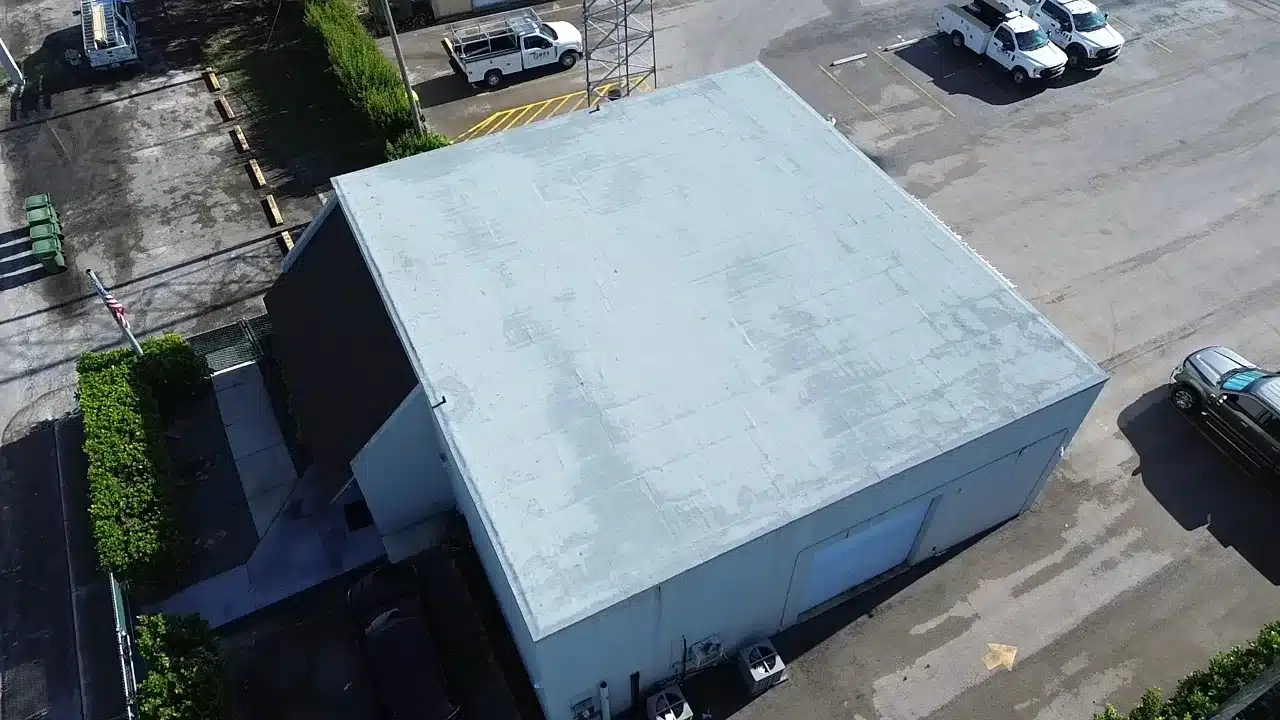
Many Miami homes and commercial buildings have flat roofs surrounded by parapet walls.
These walls create transitions where the roofing membrane meets a vertical surface.
Depending on the project, roofing details may include:
A good membrane field cannot make up for weak wall details.

There is no single flat roofing material for every Miami property.
Different systems use different materials, installation methods, attachment details, and approved assemblies.
Tropico Roofing works with qualifying low-slope roofing systems.
TPO is a single-ply membrane used on many flat and low-slope roofs.
It is common on commercial buildings and may also be used on qualifying residential roofing projects.
White membrane options are often selected when roof-surface reflectivity is part of the project goal.
PVC is another single-ply membrane used on qualifying commercial and low-slope roofs.
The building, roof design, drainage, substrate, and approved assembly should be reviewed before choosing PVC.
Modified bitumen uses asphalt-based roofing materials designed for low-slope applications.
Different approved systems can use different installation methods.
EPDM is a membrane roofing system used for certain flat and low-slope applications.
The property and approved roof assembly should be reviewed before selecting it.
Torch-applied roofing may be used for certain approved low-slope applications.
The building, roof condition, and roofing system should be reviewed before this option is selected.
This question should be answered before installation.
Depending on the building, flat roof drainage may include:
Water moves toward drains located inside the roof area.
Water moves through openings in parapet walls.
Some roof designs move water toward perimeter gutters or other drainage points.
Secondary drainage may be required to help protect the building if the main drainage system becomes blocked or cannot remove water quickly enough.
Drainage is part of the roofing system.
Not an afterthought.
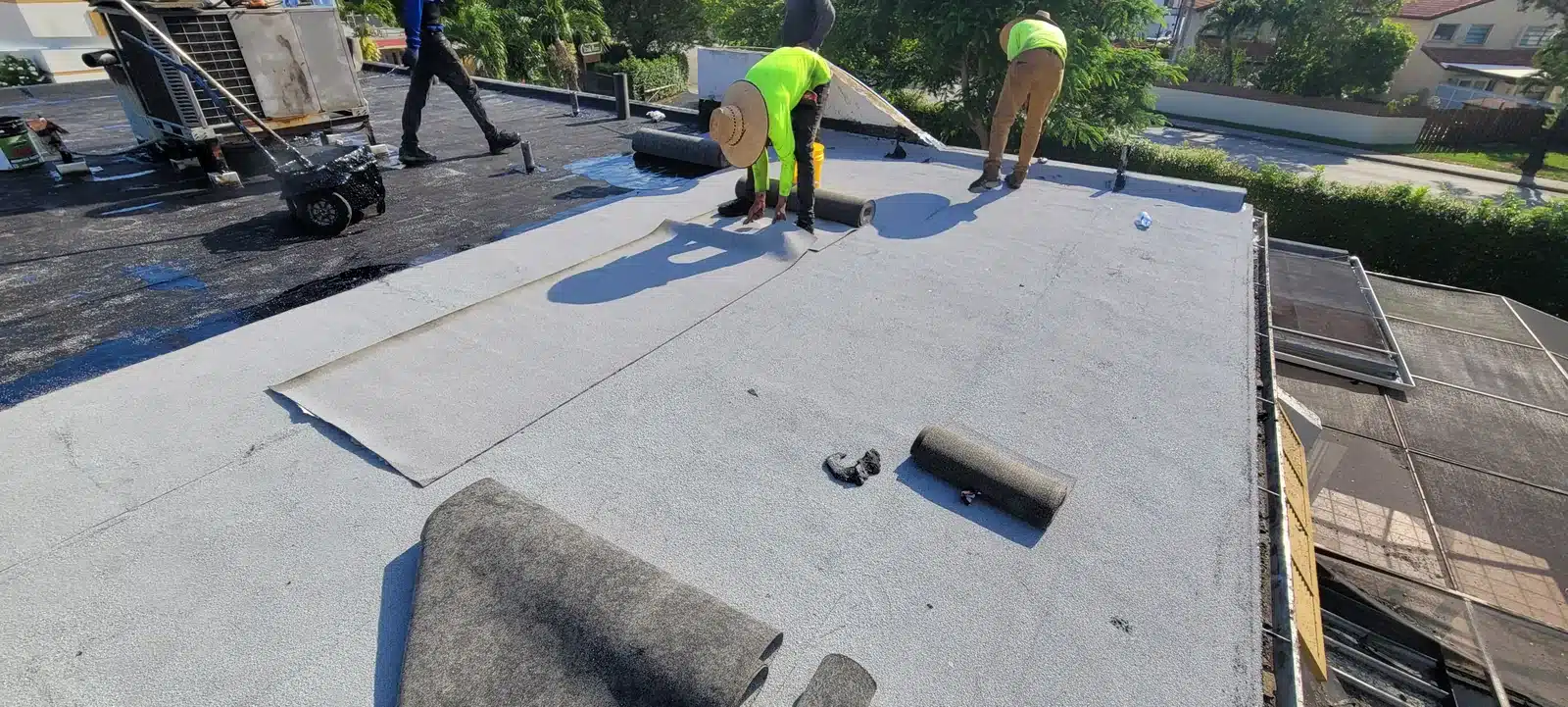
Miami-Dade is inside Florida's High-Velocity Hurricane Zone, or HVHZ.
That affects how roofing systems are approved and installed.
Roofing products and systems may include approvals for:
The membrane name alone does not define the complete roof system.
The approved assembly may also define:
The roofing system should use current approvals when the permit is prepared.
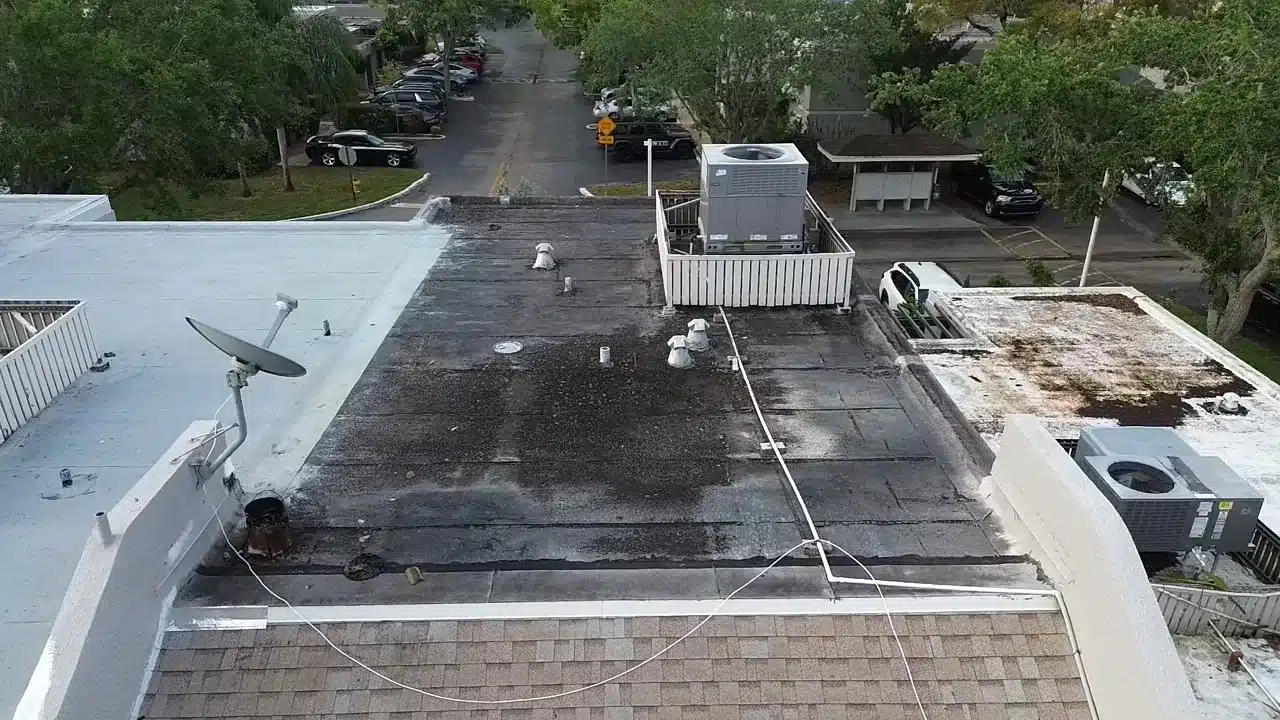
Flat and low-slope roofing projects may require a roofing permit.
Permit information can include:
The permitting authority depends on the property location.
A property in unincorporated Miami-Dade may use the county process.
A property inside Doral, Coral Gables, South Miami, or another city may use that city's building department.
Tropico Roofing can review the roofing scope before work begins.

South Florida has a long rainy season.
Heavy showers and thunderstorms can produce a lot of water quickly.
For a flat roof, this makes several areas important:
Weather also affects the installation schedule.
Roof areas should not be opened without considering current conditions and water protection.
Water is not the only weather concern.
Flat roofs also face strong sun and heat.
Roof surface color, membrane type, insulation, building use, and roof design can all affect the system.
Reflective roofing may make sense for some properties.
Other buildings may have different needs.
The roofing system should be chosen around the property.
Many Miami homes have flat or low-slope roof sections.
Some properties use flat roofing over:
Residential flat roofing involves the same basic questions:
Where will the water go?
What is the roof deck?
Which roofing system fits the property?
How will walls and penetrations be flashed?
What approved assembly applies?
Tropico Roofing provides qualifying residential flat roof installation throughout Miami-Dade.
Commercial roofs often have more equipment and penetrations than residential roofs.
The installation may need to account for:
The selected roof system should match how the property is used.
Tropico Roofing provides qualifying commercial flat roof installation throughout Miami and nearby Miami-Dade business areas.
Commercial flat roofs often have equipment sitting above the membrane.
The roofing system must transition correctly around:
These areas deserve attention before installation begins.
Tell us about existing or planned rooftop equipment before the roofing scope is finalized.
Flat roofing can develop early problems when important details are missed.
Low areas may hold water instead of moving it toward drainage points.
Walls, roof edges, penetrations, and parapets can become problem areas.
The roofing membrane and assembly should match the roof deck and building use.
Equipment, pipes, and vents need roofing details designed around them.
The roof components should work together as an approved system.
Damaged deck or substrate areas should be addressed before the new roofing system covers them.
Florida roofing rules change over time.
Miami-Dade Product Approvals can also be updated, replaced, or expire.
That is why the roof system should be checked against the current code and current product approval at the time of permit.
This can affect:
We look at the roof area, building type, project use, drainage, and roofing needs.
We review roofing options and the approved assembly that fits the project.
Drains, scuppers, parapets, penetrations, and other roof details are reviewed.
Applicable roofing approvals and permit requirements are identified.
The roof deck or substrate is prepared based on the approved project scope.
The approved layers, membrane, flashing, edges, penetrations, and drainage details are installed.
Required roofing inspections are coordinated based on the permitted project.
The completed roofing scope is reviewed before closeout.
License CCC1333660
10720 SW 40th St, Suite D
Miami, FL 33165
We work with qualifying residential and commercial low-slope roofing projects.
Our services include TPO, PVC, EPDM, modified bitumen, torch-down roofing, waterproofing, coatings, and other qualifying systems.
Our services also include drainage solutions, flashing, waterproofing, roof deck work, and other roofing components.
Ask which warranty terms apply to your qualifying flat roof installation.
Financing may be available for qualifying roofing projects.
Our Miami location places Tropico Roofing close to residential and commercial properties throughout southwest and central Miami-Dade.
Residential flat roofing and low-slope roof installations.
Flat roof installation for qualifying homes and properties.
Residential and commercial low-slope roofing systems.
Flat roofing for homes and commercial properties.
Residential, commercial, and low-slope membrane roofing.
Commercial flat roofs, membrane systems, drainage, and low-slope roofing.
Residential flat roofing and qualifying commercial installations.
Low-slope residential roofing projects.
Residential flat roof sections and membrane roofing.
Residential and commercial flat roofing.
Residential low-slope roof installations.
Flat and low-slope roofing for homes and businesses.
Residential and commercial flat roofing systems.
Residential flat and low-slope roofing projects.
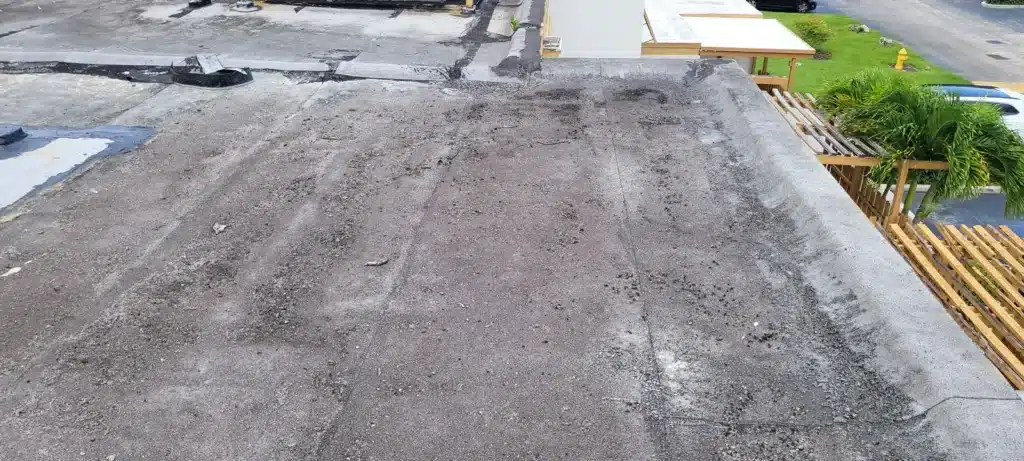
When contacting Tropico Roofing, tell us:
You do not need to choose the roofing system before calling.
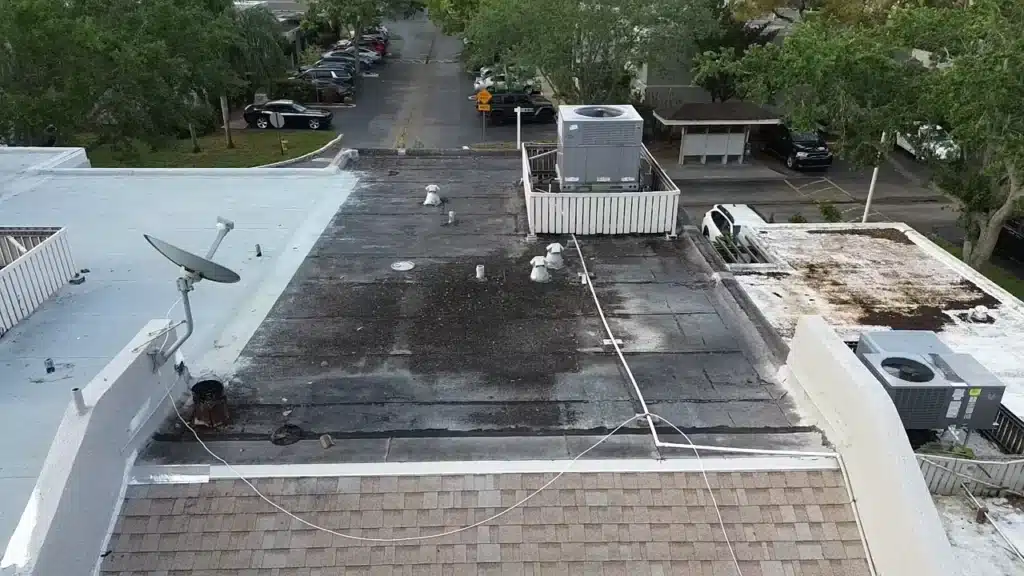
That is part of the planning process.
Flat roof installation is the construction of a new flat or low-slope roofing system. Depending on the approved assembly, the project may include the deck or substrate, insulation, membrane, flashing, roof edges, drains, scuppers, parapet details, and roof penetrations.
No. A flat or low-slope roof still needs a planned path for water to move toward approved drainage points. The exact slope and drainage design depend on the building and roofing system.
Depending on the project, Tropico Roofing works with qualifying TPO, PVC, EPDM, modified bitumen, torch-down, and other approved low-slope roofing systems.
Flat roof installation focuses on installing a new low-slope roofing system. Flat roof replacement begins with an existing roofing system that needs to be removed or replaced.
Yes. Flat and low-slope roofs need planned drainage. Depending on the building, this may include roof drains, scuppers, edge drainage, and overflow drainage.
Yes. Miami-Dade is inside Florida's High-Velocity Hurricane Zone. Low-slope roofing projects may require system-specific permit information, current product approvals, drainage details, roof plans, and approved assemblies.
Yes. Tropico Roofing provides qualifying residential flat and low-slope roof installation throughout Miami and nearby Miami-Dade communities.
Yes. We provide qualifying commercial flat roof installation for commercial and low-slope properties.
TPO may be an option. The roof deck, drainage, building use, approved assembly, and other project conditions should be reviewed first.
Cost can depend on roof size, membrane type, roof deck condition, insulation, drainage, parapet details, flashing, rooftop equipment, access, permit requirements, and the approved roof assembly.
A good flat roof needs more than a roofing membrane.
Water needs somewhere to go.
The roof needs the right assembly below the surface.
Flashing, penetrations, parapets, roof edges, and drainage all have to work together.
Tropico Roofing & Construction LLC provides flat roof installation in Miami, FL for qualifying residential and commercial properties.
Tell us about your property and the flat roof you are planning.
We can help define the right next step.