
Complete roof installation in Miami, FL from Tropico Roofing & Construction LLC brings the main parts of your roofing system together as one planned installation.
A complete roof depends on more than tile, shingles, metal, or membrane.
The deck condition, underlayment, flashing, drainage, penetrations, ventilation, roof edges, and finished roofing system all have to work together.
We install residential and commercial roofing systems throughout Miami and nearby Miami-Dade communities.
The finished roof covering is only the top layer.
A complete installation looks at the roofing system from the supporting surface up.
The exact assembly depends on your property, roof type, approved plans, product approvals, and permit requirements.
A complete installation may involve:
Not every roof uses every component.
The system has to match the building and the roof being installed.
Tropico Roofing provides several services that involve new roofing materials.
They do not all mean the same thing.
Roof replacement begins with an existing roof that needs to be removed or replaced.
That service focuses on the condition of the old roof, removal, replacement decisions, and reroofing.
New roof installation is for new construction, major additions, and projects where a roof is being built for the first time.
That service may involve coordination with builders and general contractors.
This service focuses on the roofing assembly itself.
It explains how the different roof components are planned and installed as one finished system.
If you already know that you need a full roofing system installed and want to understand what goes into that system, this is the right place to start.

Every roofing system depends on what is underneath it.
Before the finished roof covering is installed, the deck needs to be evaluated as part of the project.
Conditions that may affect the installation can include:
If damaged decking is found during an applicable project, the scope may need to change.
It is better to identify that before covering the area with the new roof system.

Underlayment sits below many finished roofing materials.
Its type and installation method depend on the roofing system and the approvals that apply to the project.
In Miami-Dade, roofing requirements are affected by the High-Velocity Hurricane Zone, often called HVHZ.
That means the roof cannot be designed around appearance alone.
The approved roof assembly and installation method matter too.
We review the system that applies to your project before installation begins.

A roof is not one flat piece.
It has edges, walls, valleys, pipes, vents, skylights, and other changes in direction.
Flashing helps protect these transitions.
Depending on the roof, complete installation may include flashing around:
These details have to work with the finished roofing material.
They should not be treated as an afterthought.

Tile is common on homes throughout Miami-Dade.
The tile itself is only one part of the assembly.
A complete tile roof installation can involve the deck, underlayment, approved tile system, flashing, valleys, ridges, hips, penetrations, and roof edges.
The exact attachment and installation method depends on the approved roofing system for the property.
Tile options may include:

A complete shingle roof is more than rows of shingles.
The installation can include:
Miami-Dade roofing requirements also affect how approved shingle systems are installed.

Metal roofing can be used on residential and commercial properties.
The full system may include the substrate, underlayment, approved panel system, flashing, trim, roof edges, penetrations, attachment details, and other components required for that roof.
Different metal systems can have different approvals and installation details.
The system should be selected before installation begins.
Flat and low-slope roofs work differently from steep-slope tile or shingle roofs.
Water movement matters from the start.
A complete flat roof installation may require attention to:
Systems may include:
Single-ply membrane roofing for qualifying low-slope applications.
A membrane roofing option used on some commercial and low-slope properties.
A multi-layer roofing option for qualifying flat roofs.
Another membrane system used for certain low-slope roofing applications.
An option for appropriate low-slope roof assemblies.
The correct system depends on the property and approved application.
Miami-Dade is part of Florida's High-Velocity Hurricane Zone.
Roofing products and assemblies used here must meet the requirements that apply to their intended use.
Miami-Dade Product Control reviews building-envelope products and publishes approved roofing systems and Notices of Acceptance.
Roof permits also require details about the roof category, roof type, system, and assembly.
Different forms apply to systems such as:
The exact product approval and current code requirements should be checked when the permit is prepared.
Roof installation in Miami-Dade may require a roofing permit and inspections.
The exact building department depends on the property's jurisdiction.
A home in unincorporated Miami-Dade may follow county permitting.
Properties inside Doral, Coral Gables, South Miami, or other incorporated cities may have their own building department process.
Permit documents can depend on:
Tropico Roofing can review the roofing scope and determine what applies to the project.
When a complete installation is part of reroofing an existing home, removing old roofing materials may expose conditions that were not visible before work began.
Miami-Dade roofing rules also include hurricane-mitigation requirements for certain existing structures.
Depending on the project, these can involve:
These items depend on the building and type of project.
They should be reviewed as part of the permitted roofing scope rather than promised before the roof is evaluated.
South Florida has a long rainy season.
Heavy showers can develop quickly.
Hurricane season also overlaps much of the wet part of the year.
That makes project sequencing important.
Roof work has to consider:
No contractor controls Miami weather.
The goal is to plan roof work around real conditions and avoid promises the weather may not allow.
A roof in Miami faces more than storms.
Heat and sun affect roofing materials day after day.
Different materials manage surface heat in different ways.
Color, reflectivity, ventilation, insulation, roof slope, and roofing material can all affect the system.
That does not mean one roof type is right for every property.
A complete roof installation should begin with the building, not a material sales pitch.
Ventilation can be part of some roofing systems.
The right setup depends on the roof and attic design.
Options may include:
Miami-Dade may also require ventilation calculations for applicable projects.
The intake and exhaust design should work together.
A skylight, plumbing vent, or other roof penetration interrupts the roofing surface.
That means it needs its own waterproofing and flashing details.
During a complete installation, these areas should be planned with the roof system.
Not added at the end.
If the property includes skylights, vents, pipes, or rooftop equipment, tell us before the installation scope is finalized.
Miami properties can use many roof systems.
Possible choices include:
The decision may depend on:
The material should fit the building and approved roof design.
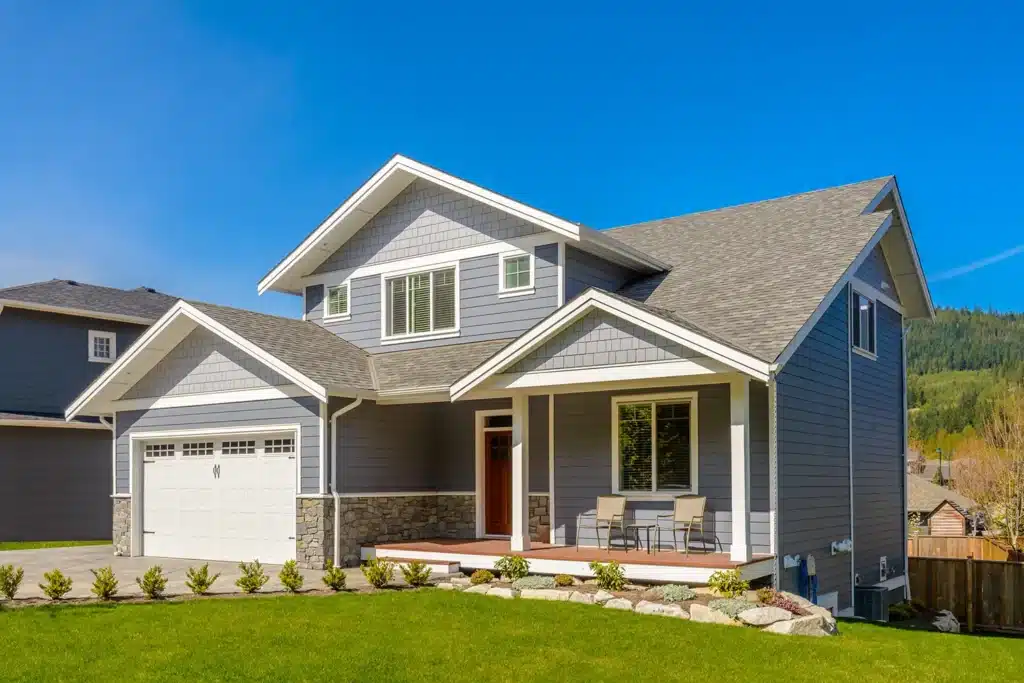
Residential projects in Westchester, University Park, Tamiami, Westwood Lakes, Olympia Heights, Kendall, Kendale Lakes, Sunset, Glenvar Heights, Coral Terrace, South Miami, Coral Gables, Pinecrest, and nearby Miami communities can have very different roofs.
Some homes use tile.
Others use shingles, metal, or flat roof sections.
Older homes may also reveal conditions during roofing work that newer construction does not.
We plan the roofing system around the actual property.
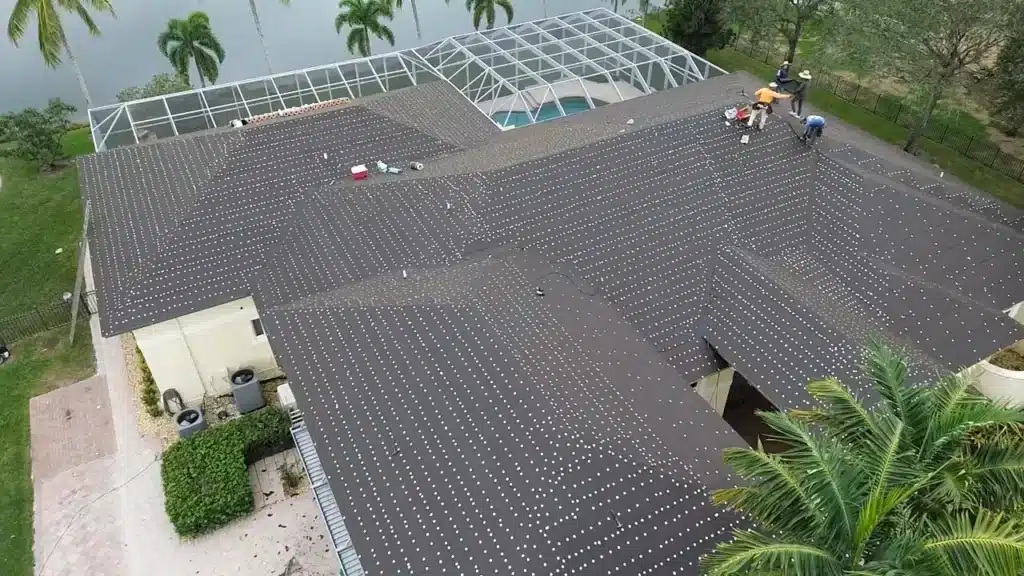
Commercial properties may include:
The installation plan has to account for these details.
Tropico Roofing installs qualifying commercial roofing systems throughout Miami, Doral, Sweetwater, Fontainebleau, Kendall, Coral Gables, and nearby Miami-Dade business areas.
A complete roof project is easier to follow when the scope is clear.
Before installation begins, property owners should know:
The contract should identify the main roof material and system.
Ask how hidden deck damage will be documented and handled.
The underlayment should match the planned and approved roof system.
Roof-to-wall areas, penetrations, valleys, skylights, and other transitions should not be ignored.
Confirm this before work begins.
Required inspections depend on the project and jurisdiction.
Know the workmanship and manufacturer warranty terms that apply to the roofing system.
We review the building, roof type, material, and planned scope.
The project is checked for applicable permitting, product approval, and roofing-system requirements
The roof deck or substrate is prepared according to the project scope.
Underlayment, flashing, membranes, roof coverings, ventilation, and other applicable components are installed in the required order.
Edges, penetrations, valleys, drainage, ridges, hips, and other applicable areas are finished.
Applicable roofing inspections are coordinated as required by the permitted project.
The roofing project is checked against the approved scope before closeout.
10720 SW 40th St, Suite D, Miami, FL 33165
Tropico Roofing & Construction LLC provides complete roof installation services near our Miami location and throughout nearby communities.
A complete roof installation means installing the roofing system as an assembly instead of treating the visible roofing material as the whole roof. The exact scope may include the deck or substrate, underlayment, flashing, penetrations, ventilation, roof edges, drainage details, and finished roofing material.
Not exactly. Roof replacement focuses on an existing roof that must be removed or replaced. Complete roof installation focuses on how all parts of the new roofing system are installed together. A replacement project may include a complete roof installation, but the project starting point is different.
No. New construction roofing starts with a newly built property or addition and may involve coordination with a builder or general contractor. Complete roof installation describes the roofing assembly itself and how its components work together.
Depending on the building and project, Tropico Roofing works with tile, asphalt shingles, metal, TPO, PVC, modified bitumen, EPDM, torch-down, and other qualifying roofing systems.
Roofing projects commonly require permits. The exact permit and building department depend on the type of work and property jurisdiction. Miami-Dade also uses system-specific roofing forms for different roof types.
HVHZ means High-Velocity Hurricane Zone. Miami-Dade is within this zone. Roofing products, assemblies, installation details, and approvals must meet the requirements that apply to the roof project.
The condition and required correction depend on what is found and the approved project scope. Damaged areas may need repair or replacement before the roof system can be completed.
Many roofing systems include an underlayment or another approved layer below the finished roof covering. The type and installation method depend on the roof system and current requirements.
Yes, when ventilation is appropriate for the roof design. The amount and type of ventilation depend on the roofing and attic system, and applicable projects may require ventilation calculations.
Yes. Tropico Roofing provides qualifying commercial and low-slope roofing installations, including membrane systems and other roofing components needed for the approved project.
# Build the Roof as One Complete System
A roof does not protect the building because one material looks good from the street.
It works because the layers and details work together.
Tropico Roofing & Construction LLC provides complete roof installation in Miami, FL for qualifying residential and commercial roofing projects.
Tell us what type of property you have and what roof system you are considering.
We can help define the complete installation scope.
10720 SW 40th St, Suite D
Miami, FL 33165
Florida Certified Roofing Contractor — CCC1333660
Phone: (786) 234-5007