
A roof inspection should help you understand what condition your roof is in, what needs attention, and which questions remain before you agree to work.
Tropico Roofing & Construction LLC evaluates roof conditions in Miami, documents findings with photos and aerial measurements, and reviews proposed roofing work with Miami-Dade HVHZ requirements in mind.
Book a roof inspection: tell us what changed, when you noticed it, and whether you need roof findings, insurance documentation, or both.
For roofing work beyond the inspection, explore our roofing services. For official permit checklists and application requirements, see Miami-Dade County’s roofing permits guidance.
A roof inspection and a 4-point insurance inspection answer different questions. A 4-point inspection covers four systems: the roof, electrical, plumbing, and heating and cooling. It’s usually requested to give an insurer a picture of a property’s condition. A roof inspection stays focused on the roof so you can understand a concern and decide what work, if any, to consider. One doesn’t automatically replace the other.
If your insurer asks for a 4-point form, ask what form it requires and who may complete it before you book. A roof-only inspection won’t fill in the electrical, plumbing, or heating and cooling portions. Don’t assume that photos of your roof, even detailed ones, will satisfy the request. The insurer decides what documentation it will accept.
The reverse matters, too. A completed 4-point form may give you a broad roof summary, but it may not answer why water appears near a ceiling vent or what lies beneath a worn section of roofing. It also won’t, on its own, settle whether a proposed roof material and installation plan fit Miami-Dade’s HVHZ requirements. Those are questions to raise when you’re deciding what to do about the roof, not reasons to expect an insurance form to do a different job.
Here’s a practical way to choose. If you’re trying to meet an insurer’s paperwork request, start with the exact request. If you’re trying to understand a roof concern or review proposed roof work, ask for a roof inspection. If both apply, tell the inspector what the insurer has asked for and what you need to know about the roof. That lets you check whether the documentation for one purpose will also help with the other.
Age is a good example of the difference. An insurer may ask for a roof’s age, but an inspection can’t establish an exact installation date just by looking at the surface. If you have records showing when the roof was installed, keep them available rather than asking an inspector to guess. Likewise, a note that a roof has visible wear tells you something about its condition, but not necessarily what caused a particular leak or whether a proposed fix addresses it.
Tropico Roofing & Construction LLC offers Roof Inspection and Insurance Inspections. When you contact us, say whether your main need is an insurer’s form, an answer about the roof, or both. We won’t treat a roof inspection as a promise that an insurer will accept it, and you shouldn’t have to treat an insurance form as a full answer about your roof.
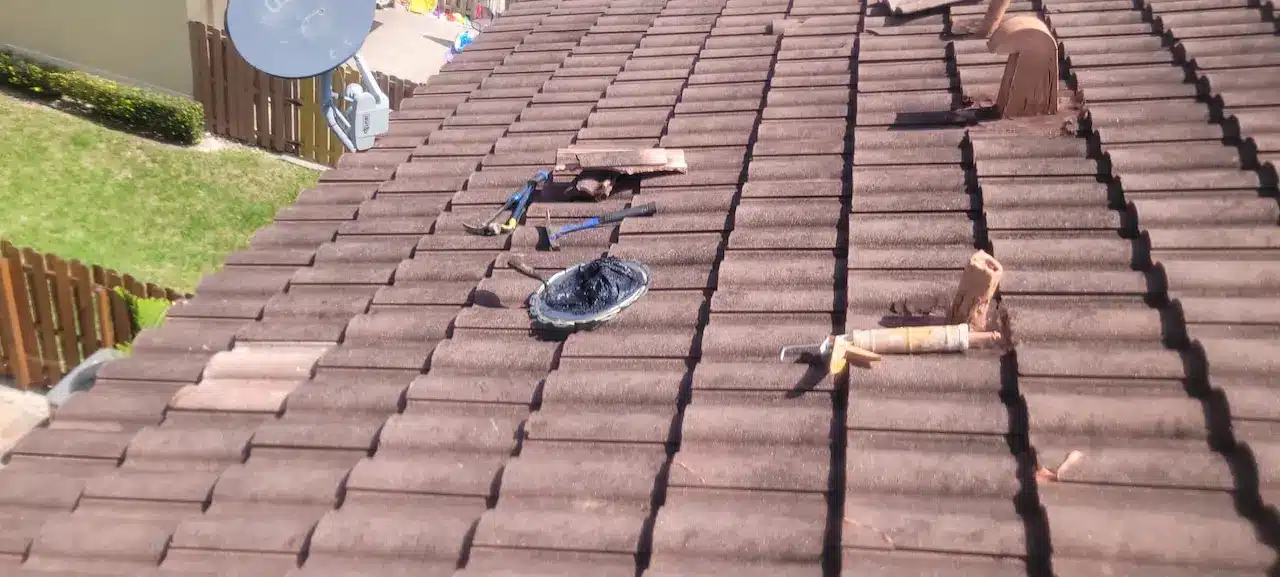
Some roof trouble is easy to miss until rain reaches a room below. In Miami, strong sun, tropical rain, and storms can leave different clues on the same roof. You don’t need to figure out the cause before asking for a professional look. What helps is noticing what changed, where you noticed it, and whether it appears only during rain or stays afterward.
Tell the inspector about patterns, not just the most obvious mark. Does the problem show up during wind-driven rain but not a steady shower? Did it begin after a storm, or has it slowly spread? Those details help separate a one-time observation from an ongoing concern. They also matter if the roof looks unchanged from outside while the signs indoors keep returning.
A professional look is most useful when it connects those clues to a documented condition rather than guessing from one stain or loose piece. Our field inspectors document roof conditions with photos and aerial measurements and identify structural issues. That gives you a clearer basis for deciding what needs attention, while leaving room for questions an inspection can’t settle from visible evidence alone.
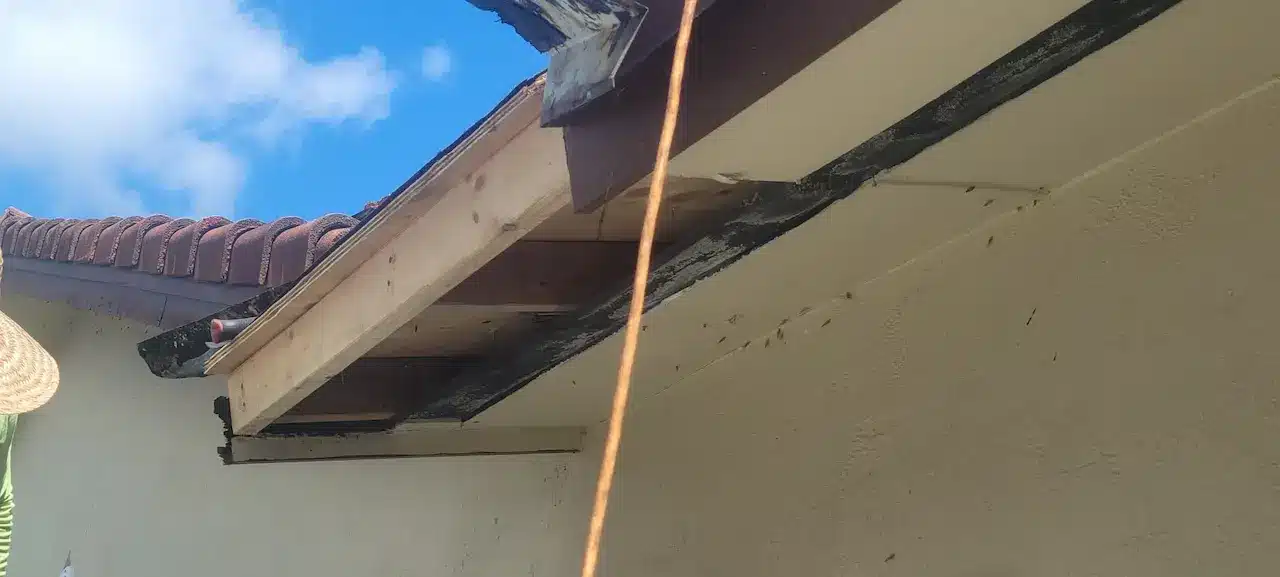
You can learn a useful amount without hiring anyone, as long as you keep the question small. What can I see, and has it changed? A check from the ground or inside your home won’t tell you the condition of every roof layer. It can help you describe a concern clearly, or show that what caught your eye looks the same as it did before.
Sometimes that’s all you need for now. If you’re trying to remember whether a mark is new and an older photo shows it hasn’t changed, you don’t need to book an inspection just to answer that question. The same goes for finding an installation date in your paperwork. You can settle the records question without asking someone to estimate the roof’s age by sight.
Keep the limit clear, though. An unchanged photo doesn’t establish what caused a mark, and a clean view from the yard doesn’t show what’s under the roofing. In Miami, rain and wind can make the timing of a change worth noting, but the weather alone doesn’t tell you what happened to the roof. If your notes leave you with a roof-condition question you can’t answer from what you can see, you’ll have a more focused question to bring to an inspector.

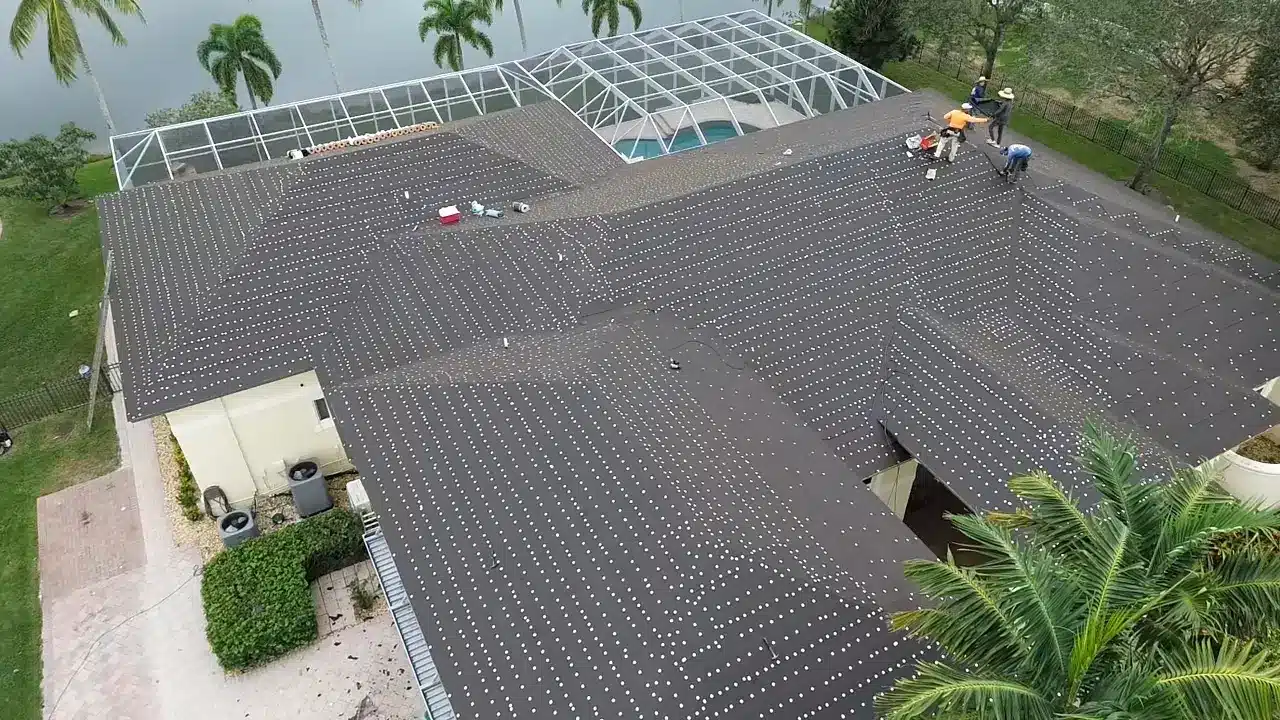
A roof inspection should leave you knowing what the inspector found, what’s still uncertain, and what decision comes next. Tell us what prompted the visit. It could be a leak after rain, a change you can see from the ground, or questions about work someone has proposed. The location and timing of a problem give the inspector a place to focus. A stain that appears only during wind-driven rain calls for a different line of inquiry than a flat-roof area that stays wet after a storm.
Our field inspectors evaluate roof conditions, document what they find with photos and aerial measurements, and identify structural issues. The inspection looks for visible clues, not just a single spot that seems damaged. On a tile or shingle roof, the condition of the covering matters, but so do the areas where the roof meets vents, walls, or other openings. On a flat roof, drainage and the condition of the surface can help explain a recurring wet area. Those details help put one symptom in context.
Photos should make the findings understandable. If a section looks worn, you should be able to tell where it is and why it matters to the question you raised. Aerial measurements can help establish the size and layout of roof areas when a scope of work is being prepared. Neither a photo nor a measurement, though, reveals every layer below the surface. If the source of a leak or the extent of damage can’t be confirmed from visible conditions, that limit should stay clear in the discussion.
A useful inspection also separates a condition from a recommendation. A worn area is a finding; deciding what work it needs is the next step. Senior project estimators and field inspectors prepare scopes and review estimates with clients. Daryl Garcia Alfonso, our owner and lead project manager, oversees initial site assessments and proposal reviews. That gives you a chance to ask how a documented finding led to the proposed scope, rather than treating every mark or stain as proof that the same fix fits.
Before the visit, have any roof records or earlier photos handy if you already have them. You don’t need to diagnose the problem. It’s enough to point out what changed, when you noticed it, and what you need to decide. For a Miami property facing another stretch of tropical rain, the practical result is a clearer answer about the roof in front of you, including any questions a visual inspection can’t settle.
Florida's roof repair rules depend on the roof's code compliance and the proposed scope. Under section 553.844(5), if an existing roofing system or section was built, repaired, or replaced in compliance with the 2007 Florida Building Code or a later edition, and 25% or more is being repaired, replaced, or recovered, only that portion must meet the applicable current code. Crossing 25% does not automatically mean every roof needs full replacement. Roof records and the local permitting authority help determine which requirements apply to your property.
There is no single schedule that fits every roof. Consider an inspection after a major storm, before hurricane season begins June 1, or when an insurance renewal or home sale raises questions about the roof. New leaks, visible damage, or recurring moisture are also reasons to seek a professional evaluation.
A buyer, lender, or insurer may request roof information during the sale. Ask what inspection or documentation is required for your transaction. A documented roof inspection can help answer condition questions early, but acceptance depends on the requesting party and the scope of the inspection.
Tell Tropico Roofing & Construction LLC what prompted your inspection request: a leak after rain, a change in the roofline, storm damage, an insurance form, or questions about proposed roofing work.
If you already have roof records, earlier photos, or a specific request from your insurer, keep them available for the visit. You do not need to diagnose the problem before contacting us.
Call (786) 234-5007 or use the form to discuss your roof inspection in Miami. Florida Certified Roofing Contractor license: CCC1333660.